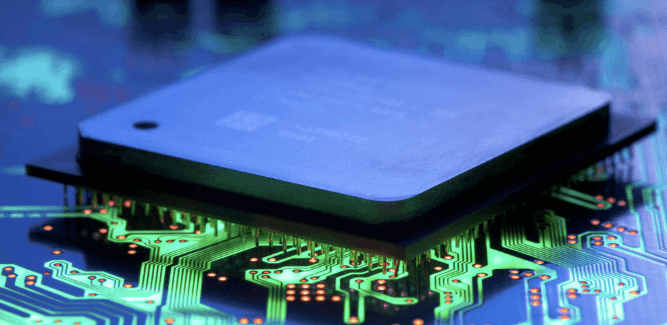
The Role of Chips in Modern Technology
Chips act as the core engines of modern technology, translating digital instructions into tangible actions while routing information between components. They define instruction sets, parallelism, and memory hierarchies through careful architectural choices. In everyday devices, integrated circuits coordinate compact, energy-efficient microprocessors, sensors, and controllers to monitor conditions, translate signals, and optimize power use. Tradeoffs in cost, yield, tooling, and supply resilience drive evolution toward faster, smaller, and more autonomous systems, shaping a future where performance hinges on chip design and production.
What Chips Do in Modern Tech
Chips serve as the primary processing engines and data conduits in modern technology, translating digital instructions into performable actions and moving information between components.
They implement chip architecture to define instruction sets, parallelism, and memory hierarchies.
Focused on efficiency, manufacturing optimization reduces waste and energy use, accelerating cycles.
This precision enables scalable systems, from servers to embedded devices, while preserving freedom through adaptable, modular designs.
How Chips Power Everyday Devices
In everyday devices, integrated circuits orchestrate complex tasks through compact, energy-efficient microprocessors, sensors, and controllers. These components translate user actions into precise responses, monitor environmental conditions, and optimize power usage.
Chips in devices enable seamless operation, extend battery life, and support rapid updates. Energy efficiency underpins reliability, performance, and user autonomy, enabling smart, responsive environments while minimizing waste and environmental impact.
Key Tradeoffs in Chip Design and Manufacturing
Advancing from how chips power everyday devices, the design and manufacturing process must balance competing priorities: performance, cost, power, and manufacturability. Designers trade peak throughput against silicon area, yield, and tool costs, while fabricators contend with efficiency, cycle time, and capital expenditures. Pricing pressures and supply chain resilience shape material choices, process nodes, and vendor diversification, ensuring scalable, reliable, and economically sustainable implementations.
The Future: Trends Shaping Chips and What They Mean for You
What trends are steering the next generation of chips, and what do they mean for everyday technology? Core drivers include emerging materials accelerating performance while reducing footprints, and architecture shifts toward heterogeneous integration, specialized accelerators, and on-die AI. These advances promise greater energy efficiency, smaller form factors, and smarter devices, enabling freer, more responsive tech ecosystems without sacrificing reliability or user autonomy.
Frequently Asked Questions
How Do Chips Affect Data Privacy in Devices?
Chip architectures influence data privacy by enabling trusted execution, secure enclaves, and isolation, while potentially exposing telemetry risks; adherence to chip performance standards mitigates threats. Companies balance usability with privacy controls, transparency, and user empowerment for freedom-loving audiences.
Why Do Chips Vary in Price Across Markets?
“Flying cars” aside, chip pricing varies due to market drivers and supply-demand dynamics; prices shift with production costs, component scarcity, demand cycles, and geopolitical factors, reflecting how market drivers, supply-demand, and pricing structures shape technology budgets and strategy.
What Skills Are Needed to Design Next-Gen Chips?
Designing next-gen chips requires expertise in design verification, power management, fabrication scaling, and thermal throttling; a tech-savvy, concise approach enables rapid prototyping, while maintaining freedom-centered innovation and rigorous analytical discipline.
See also: The Role of Chatbots in Marketing
How Do Chips Influence Software Development Cycles?
Chips influence software development cycles by driving optimization priorities and timelines, revealing that chip architecture and software-hardware co-design reshape toolchains and abstraction layers, accelerating or delaying feature delivery as engineers chase cross-domain constraints and performance targets.
Can Chips Become Obsolete Faster Than Devices?
Yes, chips can outlive devices, but obsolete hardware lifecycles often outpace devices; designers must consider supply chain resilience, migration paths, and modular upgrades to sustain usefulness while minimizing waste and preserving freedom to innovate.
Conclusion
Chips quietly run the orchestra, yet the audience rarely notices the conductor. As performance climbs and power shrinks, engineers chase speed, cost, and resilience with equal zeal. Ironically, the more autonomous devices become, the more human oversight matters—security, ethics, and reliability lag behind novelty. The future promises smarter silicon, not simpler decisions. In the end, efficiency metrics win applause, while the messy reality—glitches, supply fragility, and oversight—demands steady, skeptical scrutiny.